

Feeling Burnt Out at Work? Here’s What Your Body Is Telling You
We often think of stress at work as “just part of the job.”
Deadlines, emails, pressure — it’s normal, right?
But chronic stress at work doesn’t just stay at work. It lives in the body.
For me, it showed up long before I recognised burnout. It was the anxiety on the way to work. The tightness in my chest on a Sunday evening. The headaches, back pain, and constant brain fog.
I started questioning myself.
Why can’t I keep up?
Why does everything feel harder than it should?
I thought I was failing.
I didn’t realise my nervous system was overloaded.
The Signs of Burnout and Chronic Stress
Workplace stress doesn’t always look dramatic.
Often, it builds slowly over time.
Common signs of burnout at work include:
Physical symptoms
• Fatigue
• Headaches
• Muscle tension
• Poor sleep
Mental symptoms
• Brain fog
• Forgetfulness
• Difficulty concentrating
Emotional symptoms
• Irritability
• Anxiety
• Feeling detached or unmotivated
These aren’t weaknesses.
They’re signs your body has been in survival mode for too long.
Why Burnout Isn’t Just About Workload
When you’re experiencing chronic stress, your nervous system stays in a constant state of alert (fight or flight).
Over time, this affects your:
Focus
Energy
Emotions
Physical health
This is why burnout at work can feel both mental and physical.
It’s not “just stress.”
It’s your body asking for support.
What Actually Helps Reduce Stress
You can’t “push through” chronic stress.
Real change comes from supporting your nervous system:
Short, regular pauses in your day
Slowing your breathing
Setting realistic boundaries at work
Taking true rest (not just scrolling)
Having space to reflect and feel supported
Small, consistent actions are more effective than big changes.
For me, this meant reducing my working days and creating more space for rest and family life.
Support for Burnout and Work Stress
If you’re feeling overwhelmed, support can make a real difference.
A helpful read:
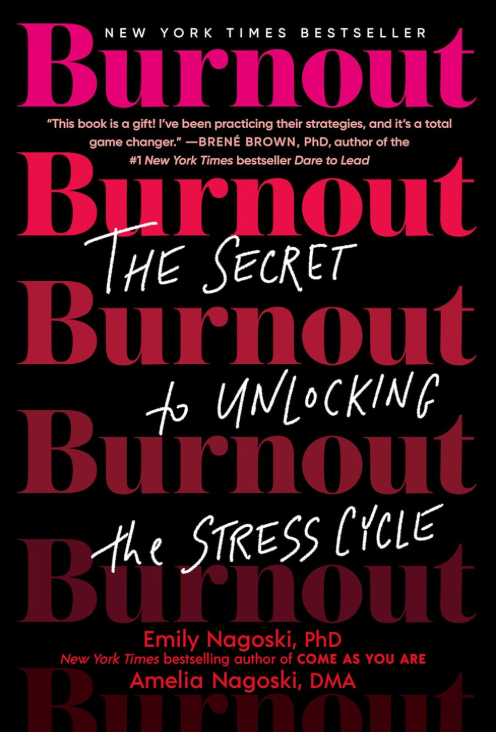
Burnout: The Secret to Unlocking the Stress Cycle explains how stress gets “stuck” in the body and how to release it.
This book helped me realise that stress doesn’t just disappear when the situation ends — it can stay in the body, and it needs space, movement, and support to be released.

Prefer listening?
Dr Rangan Chatterjee’s conversation on The Diary of a CEO podcast shares simple, practical ways to reduce stress in everyday life.
What I found most helpful was how it broke stress down into simple, manageable steps, which made it feel more realistic to actually make changes.
A Simple Way to Start
If you’re experiencing stress at work, start small.
Try this:
Breathe in for 4
Breathe out for 6
Repeat for 2 minutes
This helps calm your nervous system and signal safety to your body.
You can also explore support through organisations like Mind, the NHS, or ACAS for guidance on workplace stress and burnout.
You’re Not Failing
If you’re feeling burnt out at work, you’re not alone — and you’re not failing.
Your body is responding to prolonged stress.
With the right support, it’s possible to reset, rebuild resilience, and create a more sustainable way of living and working.